If you've been displaced from your home due to a fire, storm, or water damage, understanding how much ALE (Additional Living Expenses) housing costs is critical to managing your insurance claim. ALE coverage is designed to cover the increased cost of living away from home while repairs are being made.
What Does ALE Cover?
ALE covers the difference between your normal living expenses and the additional costs you incur while displaced. This typically includes:
- Temporary housing (hotel bills, month-to-month rent)
- Increased food costs (e.g., eating out because you don't have a kitchen)
- Storage fees for your belongings
- Extra commuting costs if your temporary home is farther from work or school
- Pet boarding if your temporary housing doesn't allow pets
How Much Does Temporary Housing Cost?
The cost of ALE housing depends heavily on the type of accommodation, location, and length of stay.
- Hotels: Often the most expensive option long-term. A $150/night hotel costs $4,500/month, plus the added expense of dining out since you lack a full kitchen.
- Corporate Housing/Furnished Month-to-Month Rentals: Usually more cost-effective for stays over 30 days. Prices vary by market, but a fully furnished 3-bedroom home might range from $3,000 to $6,000+ per month, depending on the city and amenities. This option includes a kitchen, reducing food costs, and offers a more normal living environment.
How Are ALE Payments Handled?
In many cases, the insurance company or an ALE housing provider will pay the temporary housing landlord directly. This means you don't have to pay out of pocket and wait for reimbursement for the rent. However, you should always confirm this process with your insurance adjuster.
Maximizing Your ALE Coverage
Most insurance policies have a limit on ALE coverage—either a percentage of your dwelling coverage (often 20%) or a time limit (e.g., 12 to 24 months). To avoid running out of coverage before your home is repaired:
- Move from a hotel to a furnished month-to-month rental as soon as possible to lower daily costs.
- Work with a housing provider experienced in insurance claims who understands ALE limits and billing.
- Keep detailed receipts for all additional expenses.
How SEBA Housing Helps
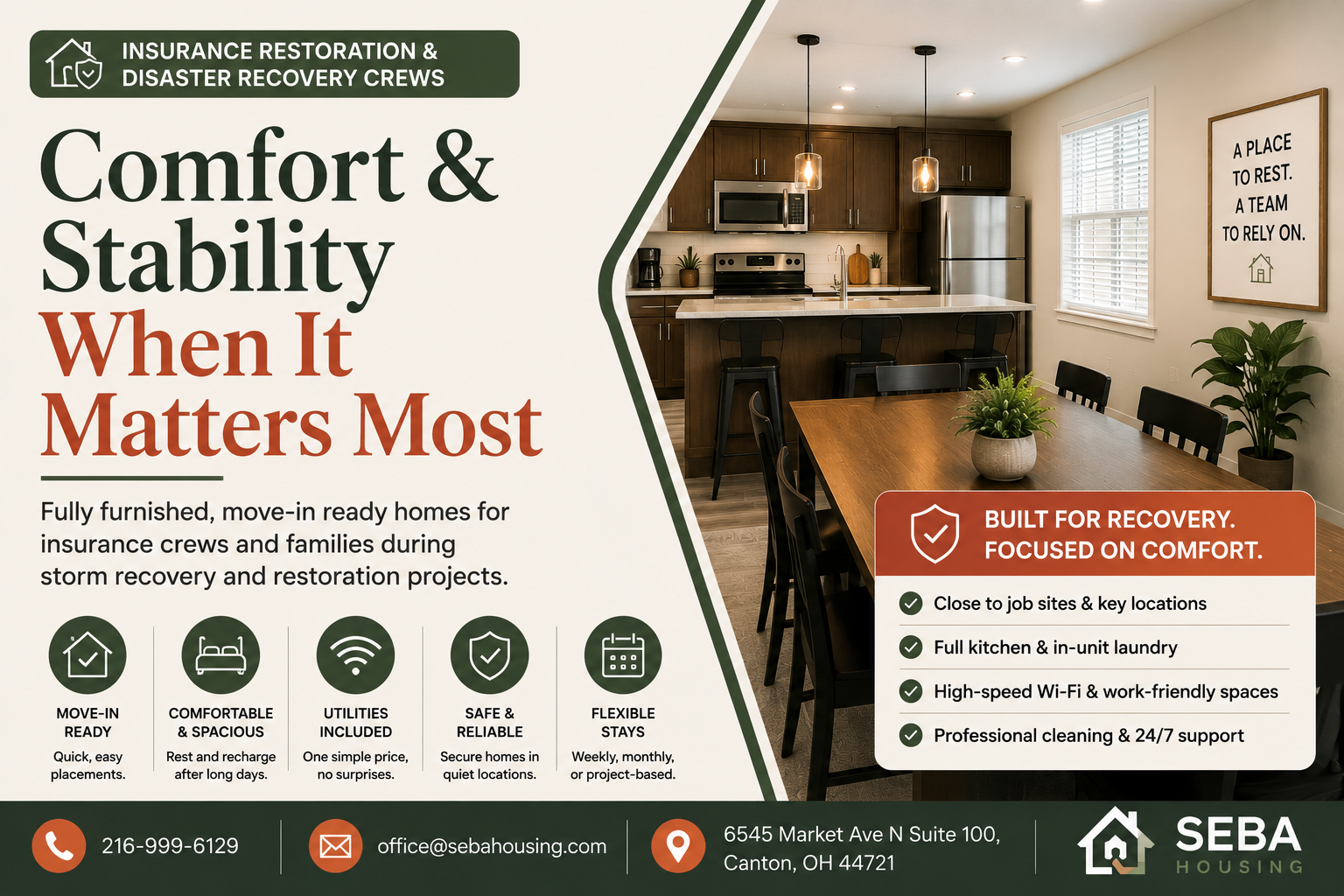
SEBA Housing specializes in placing displaced families in comfortable, fully furnished homes. We work directly with insurance adjusters and ALE coordinators to ensure the housing fits within your policy limits while providing the stability your family needs during a stressful time.